
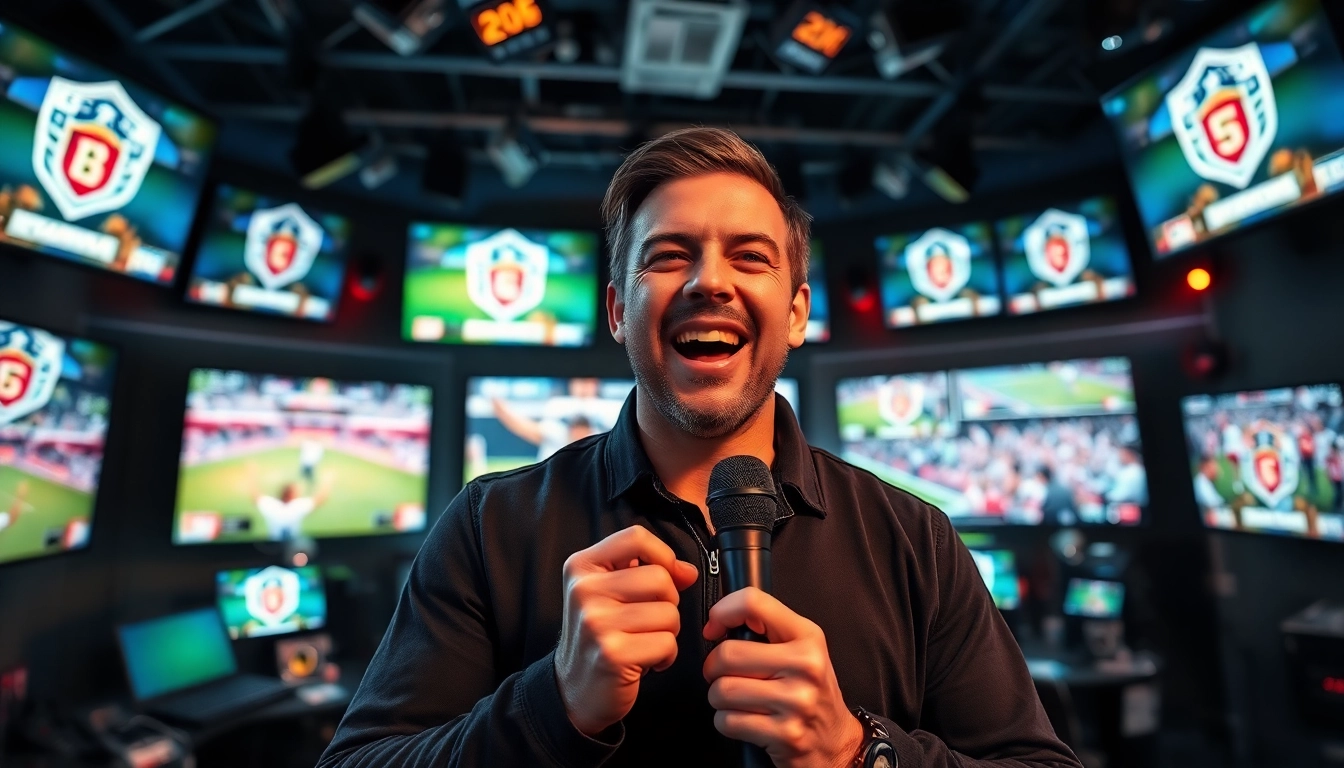
Introduction to Sports Broadcasting
Definition and Scope of Sports Broadcasting
Sports Broadcasting encompasses the live transmission and coverage of sports events, including various formats such as television, radio, and online streaming platforms. It serves the dual purpose of entertaining audiences and informing them about sporting events, rules, and statistics. The scope of Sports Broadcasting is vast, covering everything from local high school games to international tournaments like the World Cup, highlighting not just the competitions, but also the athletes, teams, and fan engagement.
This medium acts as a bridge that connects fans with their favorite sports by providing direct access to live games, expert commentary, and in-depth analyses. In our digital age, the transition of Sports Broadcasting into various platforms ensures that audiences can consume content in ways that best fit their lifestyle. For a deep dive into this dynamic landscape, find further insights on Sports Broadcasting.
The Role of Technology in Sports Broadcasting
Technology plays a pivotal role in shaping the landscape of Sports Broadcasting. With advancements in communication technologies, broadcasters are now able to deliver high-definition content utilizing multi-camera setups, drones, and sophisticated graphics to enhance viewer engagement. Innovations like instant replay, augmented reality (AR), and virtual reality (VR) have transformed the way audiences experience live events.
Remote production setups further streamline processes, enabling broadcasters to cover events globally without the need for a full crew on-site. The integration of analytics and big data helps commentators provide deeper insights during play, crafting an enriched viewing experience. Technology not only facilitates the broadcasting itself but also impacts how fans interact with that content, making it more personalized and engaging.
Evolution of Sports Broadcasting Over the Years
The evolution of Sports Broadcasting is a fascinating journey. Initially, live sports coverage was limited to radio broadcasts, which provided basic play-by-play commentary. The advent of television in the mid-20th century revolutionized this field, allowing fans to watch games in their homes, thus amplifying audience reach. Over time, color television and the introduction of cable networks like ESPN marked significant milestones, offering more dedicated sports programming.
In recent years, the rise of streaming platforms has altered the landscape, enabling viewers to watch sports on demand. This shift has encouraged broadcasters to explore new ways of engaging their audience through social media, interactive content, and on-demand highlights. The changing viewer habits are reshaping Sports Broadcasting, paving the way for an even more integrated experience in the future.
Key Elements of Effective Sports Broadcasting
Presentation Skills for Sports Broadcasters
Effective sports broadcasting hinges significantly on the presentation skills of the broadcasters. A successful sports presenter must be articulate, confident, and knowledgeable about the sport they cover. They need to draw upon their understanding of the game to convey its nuances engagingly and compellingly.
The ability to improvise in live situations is crucial; broadcasters often have to react quickly to developments that can change in an instant. Additionally, using varied vocal tones and body language can enhance audience engagement, helping to convey excitement during critical moments in a game. These skills are often honed through training and experience but are essential for any aspiring sports broadcaster.
Engaging Storytelling Techniques in Sports Broadcasting
Beyond just delivering the facts, storytelling is a powerful component of effective Sports Broadcasting. Broadcasters can weave narratives that resonate with fans by introducing background stories about teams and players, past achievements, and rivalries. This enriches the viewing experience and establishes an emotional connection with the audience.
Techniques such as the strategic use of pause for emphasis, utilizing anecdotes, and connecting statistics to real-world implications can enhance the story being told. Quality storytelling helps to transform a game into an experience, prompting viewers to return not just for the action but for the rich narratives that accompany it.
Utilizing Social Media to Enhance Broadcast Reach
Social media has become an integral part of Sports Broadcasting, offering a platform for real-time engagement with fans. Broadcasters utilize channels like Twitter, Facebook, and Instagram to promote their shows, share highlights, and interact with audiences during live events. This real-time engagement helps to amplify the broadcast reach and creates a sense of community among fans.
Interactive features, such as live tweeting during games, polling viewers on discussions, and sharing behind-the-scenes content, can enhance viewer loyalty and involvement. Also, social media analytics provide valuable insights into audience preferences, helping broadcasters tailor their content accordingly.
Navigating Challenges in Sports Broadcasting
Addressing Technical Difficulties During Broadcasts
Technical difficulties are an ever-present challenge in Sports Broadcasting. These can range from audio issues to video feed disruptions or failure of live broadcasting equipment. Broadcasters must be equipped with contingency plans to address these potential issues swiftly and efficiently.
Having backup equipment ready, tech support on standby, and well-practiced protocols can minimize disruptions. Consistent training for all involved in production helps ensure that everyone is prepared to react promptly, thus maintaining the integrity and flow of the broadcast.
Handling Controversial Topics and Fan Reactions
Controversial topics in sports, including scandals involving players, decisions by officials, and team conduct can create challenging scenarios for broadcasters. It’s essential for broadcasters to remain impartial and professional while covering these topics.
Practicing transparency and providing balanced perspectives can help maintain credibility. Incorporating viewer opinions respectfully while clarifying the broadcaster’s stance can also diffuse tensions. Engaging in open discussions about controversial issues can lead to deeper audience connections, yet requires careful navigation to avoid alienating fans.
Time Management in Live Sports Broadcasting
Live Sports Broadcasting demands impeccable time management. Broadcasters must adhere to strict timelines throughout the event, particularly if they are broadcasting multiple games or segments in a limited timeframe. Efficiently managing transitions between segments, presenting advertisements, and maintaining pacing during the event is crucial.
Preparation is the key to effective time management. Creating detailed run sheets and rehearsing the flow of the broadcast can aid broadcasters in sticking to time limits while ensuring all necessary content is delivered. Additionally, maintaining a flexible mindset allows broadcasters to adapt if unexpected situations arise, without disrupting the viewing experience.
Best Practices for Enhancing Viewer Experience
Incorporating Viewer Feedback for Live Broadcasts
Viewer feedback is an invaluable tool for improving live Sports Broadcasting experiences. Utilizing surveys, social media interactions, and live polls during broadcasts can help gather instant feedback from the audience. Understanding viewer preferences is crucial, allowing broadcasters to adjust content in real-time or in future broadcasts.
Engagement with the audience through implementing their suggestions shows that the broadcast team values their opinions, promoting loyalty and trust. Periodically assessing viewer feedback can reveal overall trends and changes in preferences that inform improvements moving forward.
Designing Interactive Broadcasts for Audience Engagement
Interactive broadcasts are becoming increasingly popular, allowing viewers to actively participate in the experience. Broadcasters can incorporate features like real-time polls, quizzes, and audience questions to engage with fans dynamically. This not only increases viewer retention but also turns passive observers into active participants.
Technology helps foster this interactivity through apps and social media platforms that facilitate audience participation. Exclusive content for participants, such as behind-the-scenes videos and meet-and-greets with players, can further enhance the experience and encourage wider engagement.
Maintaining Consistency in Broadcast Quality
Consistency in broadcast quality is paramount for maintaining audience trust and loyalty. Audiences expect high-quality visuals, clear audio, and reliable streaming without interruptions. Achieving this standard requires meticulous planning, ongoing training for staff, and ensuring the best equipment is utilized.
Regular equipment checks before broadcasts, having skilled technicians on standby, and utilizing high-bandwidth networks can help maintain quality. Consistent application of branding elements—such as logos, colors, and formats—also contributes to a professional appearance that audience members can recognize and rely on.
Future Trends in Sports Broadcasting
The Rise of Streaming Services in Sports Broadcasting
Streaming services are significantly impacting Sports Broadcasting, offering viewers the convenience of watching events whenever and wherever suits them best. The growing popularity of platforms like Netflix, Hulu, and specialized sports streaming services has changed traditional viewing habits, favoring on-demand content over scheduled programming.
As a result, broadcasters are focusing on creating exclusive content to attract audiences and are exploring partnerships with tech companies. This shift will likely continue, pushing traditional broadcasters to adapt to integrate streaming into their services for staying competitive.
Exploring AR and VR Technologies in Broadcasting
The integration of augmented reality (AR) and virtual reality (VR) technologies is paving new paths for Sports Broadcasting. AR can enhance live broadcasts by overlaying real-time statistics and graphics onto the screen, providing viewers with more context and engagement. Similarly, VR allows fans to experience games in an immersive environment, as if they were physically present.
This technology will likely pave the way for new content styles and formats, creating unparalleled viewer experiences that foster deep connections with sports, players, and teams. The investment in these technologies will continue to rise, indicative of the necessity to innovate within the broadcasting industry.
Predicting Changes in Viewer Preferences and Habits
As the landscape of entertainment shifts, predicting changes in viewer preferences for Sports Broadcasting will be crucial for broadcasters. Younger generations tend to prefer short snippets, highlights, and engaging social media content rather than lengthy broadcasts. This preference indicates a broader need for adaptability and an understanding of diverse audience segments.
Moreover, as the line between gaming and sports continues to blur, broadcasters may find opportunities to reach both audiences through hybrid content. Keeping a finger on the pulse of these changing preferences will allow broadcasters to capture and retain a loyal audience base.
Frequently Asked Questions
What is Sports Broadcasting?
Sports Broadcasting involves the live transmission of sporting events through various mediums such as television, radio, and online platforms, providing commentary and analysis to audiences.
How has technology changed Sports Broadcasting?
Technology has introduced high-definition video, instant replays, and real-time data analytics, enriching the viewer experience and allowing broadcasters to deliver more engaging content.
What skills are essential for sports broadcasters?
Key skills include strong communication, improvisation, storytelling, and knowledge of sports, alongside technical skills to navigate broadcasting equipment effectively.
How can social media enhance Sports Broadcasting?
Social media enhances Sports Broadcasting by engaging fans in real-time, promoting content, and gathering audience feedback, thus increasing interaction and loyalty.
What are the future trends in Sports Broadcasting?
Future trends include the rise of streaming services, the use of AR/VR technologies, and adapting to evolving viewer preferences focused on interactive and personalized content.